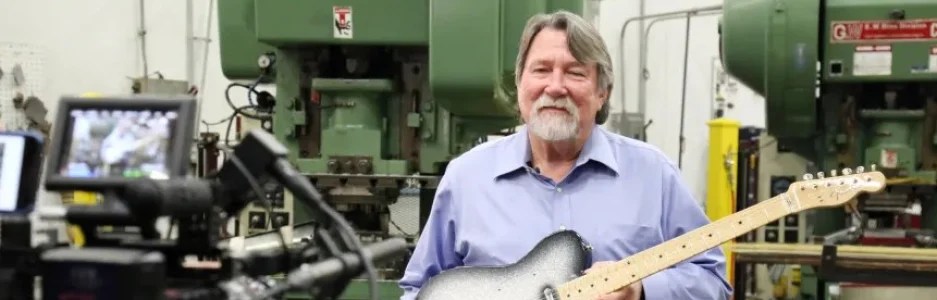
$3,000 – Alan Hamel – Telecaster Pickups
$2,600 – Alan Hamel – Telecaster Pickups
$1000 – Alan Hamel – Legend Series Pickups
Alan Hamel wasn’t trying to create a product line — he was capturing the voices of specific eras. Each design reflected a year, a guitar, a sound, and a feel he knew intimately from his years as a Fender Masterbuilder. These weren’t interpretations. They were tributes to the real vintage coils that shaped the language of electric guitar.
Below are the models most associated with Alan’s work. Each one reflects a moment in Fender history, recreated through his hands, his ear, and his instinct for tone
AH-59 — 1959 Stratocaster Style Pickups
The late-’50s Strat sound — sweet top end, open mids, and that singing bloom when you lean into a note. Alan’s take on the ’59 era captured the clarity and musicality that made these early Strat pickups legendary.
AH-54 — 1954 Stratocaster Style Pickups
The first-year Strat voice: bright but round, dynamic but never harsh. These coils carried that unmistakable early Fender sparkle — the airy chime and wide harmonic range that defined the dawn of the Stratocaster.
AH-52 — 1952 Blackguard Telecaster Style Pickups
The classic Blackguard tone — bold, woody, articulate. Wide-open mids, tight low end, and the unmistakable bite that made the early ’50s Teles the blueprint for every Telecaster that followed.
AH-EQ — Esquire Bridge Style Pickup
Pure early-Fender simplicity. One pickup, one position, maximum expression. Alan’s Esquire-style bridge design delivered that raw, immediate, touch-sensitive response the original Esquires were famous for — a pickup that forces the player to interact, not hide.
AH-50 — 1950 Broadcaster Style Telecaster Pickups
The sound of the very beginning. These early Broadcaster-style coils carried a darker sweetness, a rounder midrange, and the unmistakable punch that defined Fender’s first solidbody electric. A foundational voice in guitar history.
AH-51 — 1951 Nocaster Style Telecaster Pickups
The rarest of the early Fender voices — balanced, expressive, and incredibly musical. Alan’s take on the ’51 Nocaster set captured the transition-era tone: bold yet refined, articulate yet warm, always responsive under the fingers.
Alan’s work honored these eras not by copying specs, but by capturing feel — the subtle differences in tension, wire, magnets, and technique that made the originals come alive. These designs remain a tribute to his deep understanding of what makes a pickup musical, expressive, and timeless.
 Alan Hamel Pickups